Call: +91 94498 53834
Mon - Sat 8.00 AM - 4.00 PM IST


इदं नाट्यं सर्वलोकस्य शिक्षार्थं प्रयोजितम् ।
धर्मार्थकाममोक्षाणां साधनं नाट्यमुच्यते ॥
...It (natya) relieves those afflicted with sorrow, grief, or overwork... It is conducive to dharma (duty), artha (wealth), kama (desire), and ultimately moksha (liberation); it educates people, gives fame, long life, intellect, and general good.
- Natya Shastra by Bharata muni
Modern Western discourse often categorizes "Art and Culture" as aesthetic pursuits—objects of beauty or social customs intended for leisure. In contrast, the Indic concepts of Kala (Art) and Kalachara (Culture) represent a transformative spiritual pursuit. Together, Kala and
Kalachara (the practice of art in daily life) functioned as a vital life-force that ensured civilisational continuity, weaving sacred values into the very fabric of existence.
This philosophy is codified in foundational texts like the Natya Shastra by Bharata Muni, and various Shilpa Shastras, perfecting Art forms and Architecture practiced to-date. Bharat’s artistic legacy has profoundly shaped the global landscape—from the spread of Architecture across East Asia to the mathematical precision of Indian textiles that revolutionized global trade. These traditions taught the world that art is not a luxury, but a means of spiritual ascension.
In this section, explore how Bharat’s timeless Kala and Kalachara continue to mirror the infinite beauty of the cosmos.
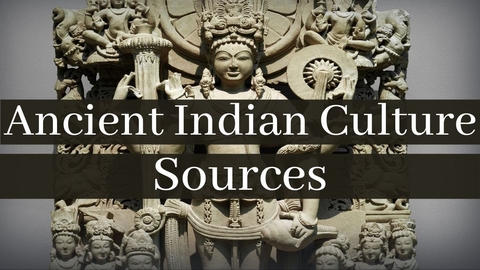
Indian Culture is not only diverse but also very daunting for a beginner. This video will help one to start their jouney to know about ancient Indian...
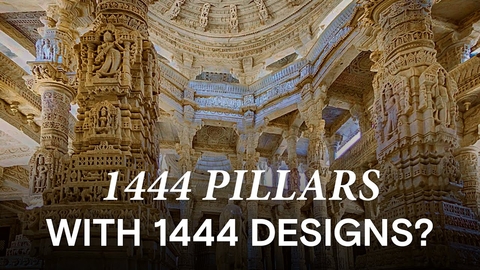
In Indic thoughts , All aspects of living was connected by to DIVINITY. The Jain temple at Ranakpur , built in 15th CE with 1444 differently carved...